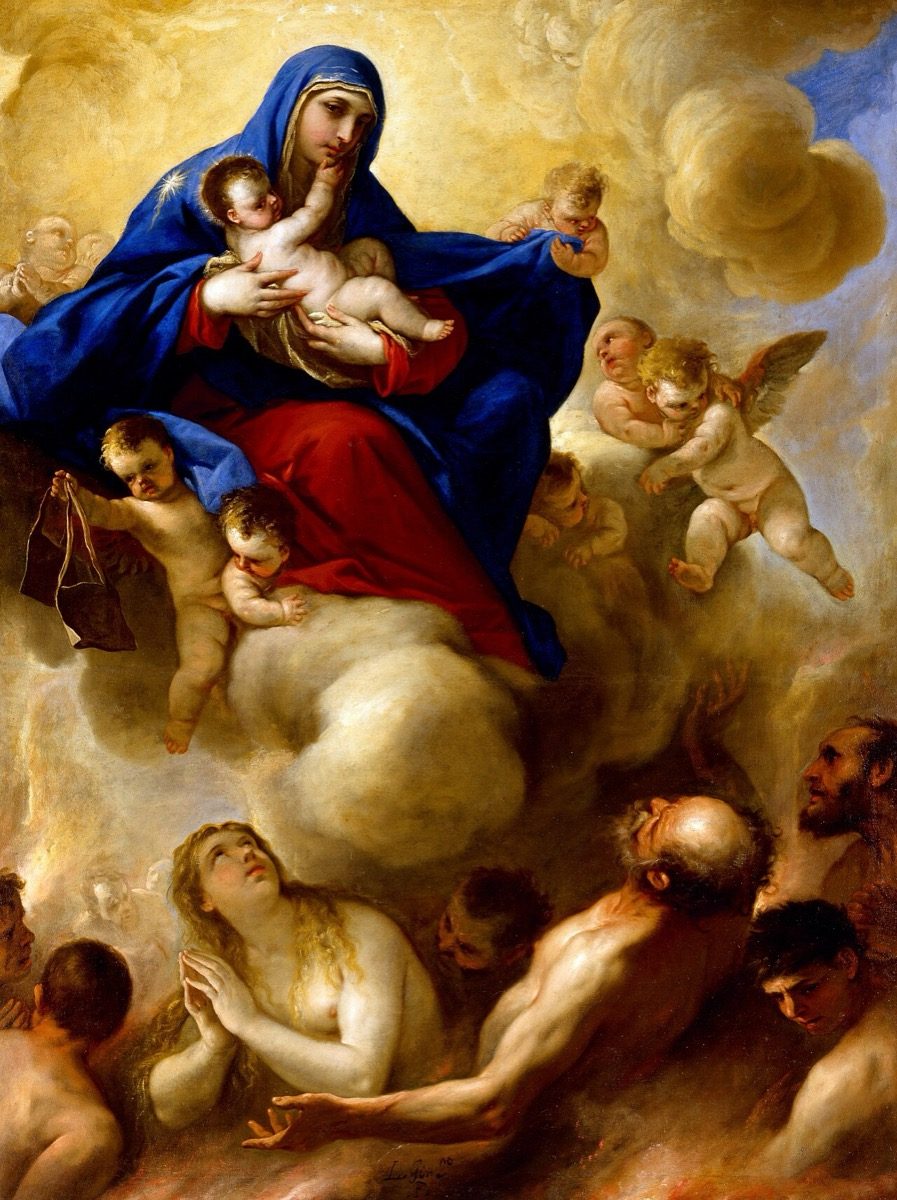
indulgentia
Indulgence
The remission before God of the temporal punishment due for sins already forgiven, granted by the Church from the treasury of Christ's and the saints' merits; not the forgiveness of sin and never for sale.
kindness; a remission
Sin has two consequences: guilt, which Confession removes, and a lingering disorder — the “temporal punishment” — that must be purified either here or in purgatory. An indulgence is the Church's remission of that temporal punishment, drawn from the treasury of merits of Christ and the saints, and granted for certain prayers and works done in a state of grace with the right disposition. It may be partial or plenary, and may be applied to the dead. The Catechism grounds it in the communion of saints. The abuses that provoked the Reformation included trafficking in indulgences, which the Council of Trent condemned.
Councils
Where the Church settled or debated this. Follow a council to read our article on it, or the decrees themselves.
- 1215Fourth Lateran Councilthe decrees
- 1545–1563Council of Trentthe decrees
Sources
Church teaching
- Indulgentiarum Doctrina · Paul VIPaul VI, apostolic constitution Indulgentiarum Doctrina (1 January 1967), which reformed the doctrine and practice of indulgences and is the source of the Catechism's definition.
Sources checked 29 September 2026