veneratio; Greek δουλεία
Veneration (dulia and latria)
The honour given to the saints, their relics and images, which is different in kind from the adoration owed to God alone; theologians call the first dulia and the second latria.
honour; service (dulia) and adoration (latria)
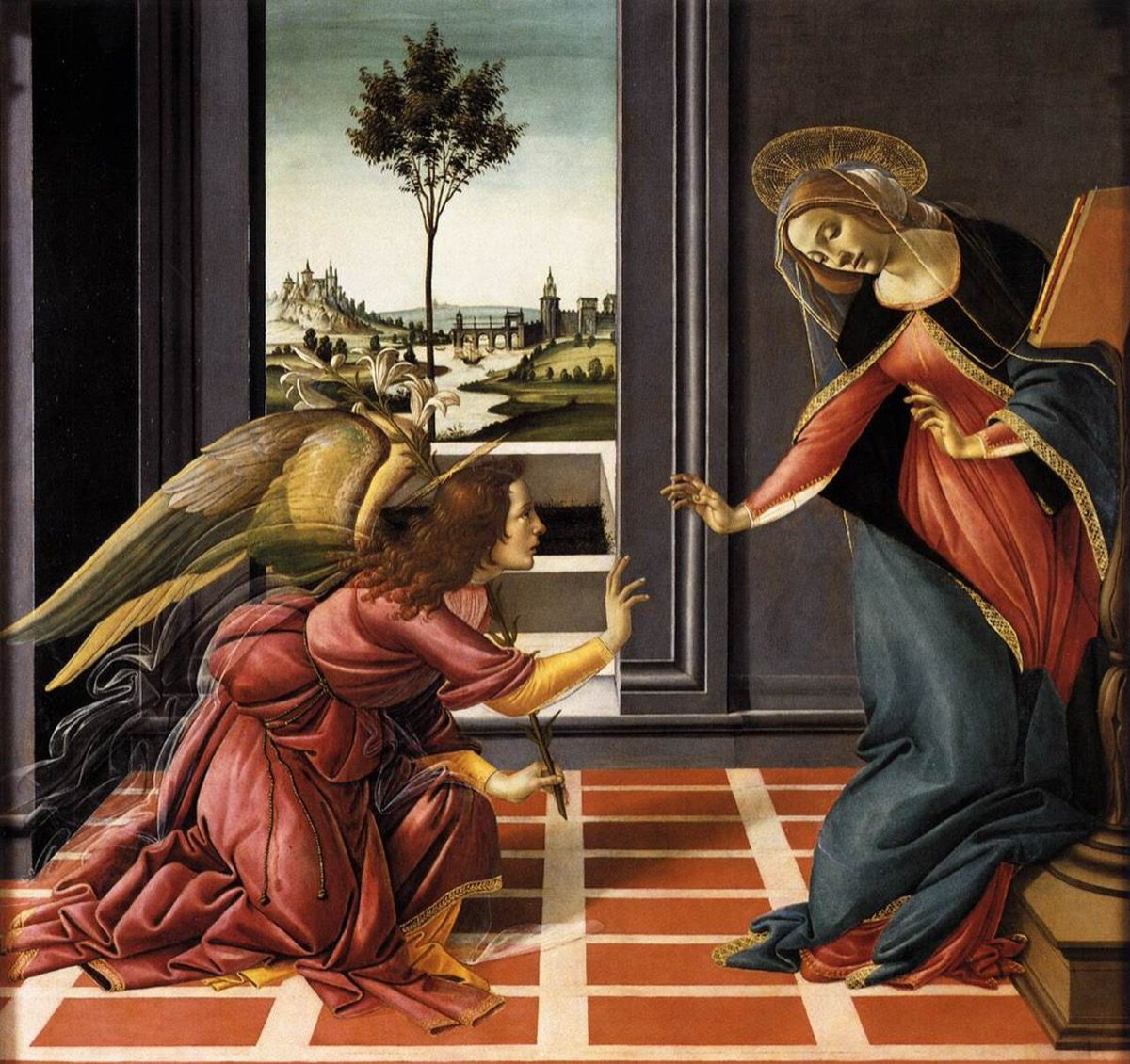
Catholics do not worship Mary or the saints. Worship in the strict sense, latria or adoration, belongs to God alone; the honour given to the saints is veneration, dulia, the kind of respect shown to heroes and loved ones, raised to those who are heroes of holiness. Mary receives a higher form of it, hyperdulia, because of her unique role. Kissing an icon or kneeling before a statue is honour paid to the person it shows, not to the wood or paint: the Catechism, quoting the seventh ecumenical council, says the honour rendered to an image passes to its prototype.
Not to be confused with Adoration (Eucharistic Adoration, Holy Hour).
Councils
Where the Church settled or debated this. Follow a council to read our article on it, or the decrees themselves.
- 787Second Council of Nicaeathe decrees
- 1545–1563Council of Trentthe decrees
Sources checked 29 September 2026